San Diego Kitchen and Bathroom Remodel Plans and Permits Guide
Learn exactly when you need a permit and how to navigate the city's building regulations for your next home renovation.

Planning a Kitchen or Bathroom Remodel in San Diego: Plans and Permits Guide
Designing a new kitchen or upgrading a bathroom is an exciting project, but the city regulations involved can quickly stall your progress. Many homeowners begin demolition without realizing the strict building codes enforced by local authorities.
Before starting any work, you need to understand exactly when a permit is required. Having the accurate remodel permit drawings San Diego reviewers expect can save you thousands of dollars in fines and months of delays. Here is an expert overview of the planning and permitting process for your next home renovation.
The Golden Rule: When Do You Actually Need a Permit?
As a general rule in San Diego: if a mistake during your remodel could alter how systems function, change structural loads, or cause a safety hazard, a permit is required.
Quick Reference: Permit vs. Cosmetic Update
| Project Type | Permit Usually Required? | Why? |
|---|---|---|
| Swapping cabinets (same layout) | No | Cosmetic; no systems modified. |
| Relocating a sink or dishwasher | Yes | Alters the plumbing and drainage system. |
| Replacing flooring or countertops | No | Cosmetic surface update. |
| Adding a kitchen island with outlets | Yes | Requires electrical relocation and wiring. |
| Removing an interior wall | Yes | Requires structural review and calculations. |
The "No-Plan Building Permit" Exception: The City of San Diego offers a streamlined "No-Plan Building Permit" for specific, minor projects. You can remodel an existing kitchen or bathroom without a full plan review only if you make zero changes to the structural elements, exterior walls, or wall framing, and you do not add any new plumbing fixtures. Simple like-for-like swaps (such as replacing a bathtub with one of the exact same size) also qualify.
What Professional Kitchen Remodel Plans Require in San Diego
Kitchen remodels are often the most complex interior projects you can undertake due to the heavy intersection of plumbing, gas, and electrical systems.
If you are opening up a floor plan or relocating major appliances, the city requires highly detailed kitchen remodel plans San Diego authorities can review for safety, structural integrity, and code compliance.
These plan sets are highly detailed. Depending on the scope of your renovation, they may need to include existing and proposed floor plans, structural calculations, and mandatory California Title 24 Energy Efficiency Standards documentation to ensure your new lighting and power systems meet state environmental codes.
Ready to start your project?
Schedule a free consultation with our team to discuss your project. We'll tell you what's needed and give you a clear quote, no obligation.
Essential Bathroom Remodel Plans in San Diego
Bathrooms may be smaller spaces, but they require precise planning due to strict ventilation codes, waterproofing standards, and clearance requirements.
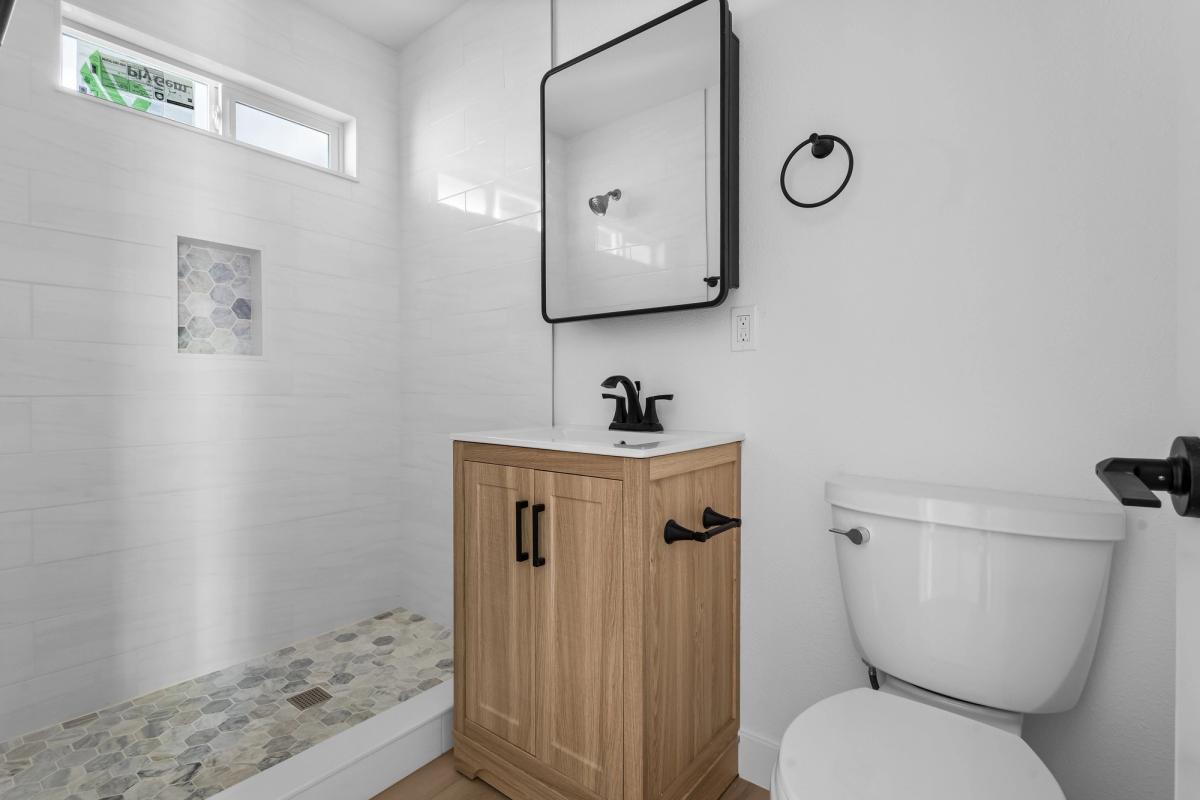
Moving a toilet by just a few inches or upgrading a standard tub into a custom walk-in shower means you need thorough bathroom remodel plans San Diego inspectors can easily read and evaluate. These technical drawings must clearly map out the new plumbing layout, any structural framing adjustments made for heavy glass doors, and electrical modifications to ensure they meet all city safety codes for wet environments.
A 5-Step Guide to the San Diego Permitting Process
Working with the City of San Diego Development Services Department (DSD) requires preparation and exact documentation. Here is how the process generally flows:
- Preparation: Gather your complete plan sets, structural calculations, and necessary project contact forms.
- Application Submission: Upload your application and all required documentation digitally through the city's Accela Citizen Access Portal.
- Plan Review & Initial Fees: After you submit your application, you must pay the initial plan review fees before the city begins their assessment. Once paid, various city departments (such as structural, electrical, and plumbing) will assess the plans for strict compliance with local building codes and zoning rules.
- Permit Issuance & Final Fees: Once your plans are approved, you will pay the final permit fees to officially receive your permit to build.
- Mandatory Inspections: Throughout construction, you must schedule and pass inspections at critical milestones (like rough framing, rough plumbing, and final walkthrough) to ensure the physical work matches your approved plans.
The Hidden Risks of Skipping the Permit Process
The temptation to skip the permitting process to save time and money is high, but the risks are severe.
If the city discovers unpermitted work, you can be hit with fines and strict stop-work orders that halt your project indefinitely. In worst-case scenarios, the city can legally demand that you tear out newly finished drywall so inspectors can see the wiring and plumbing behind the walls.
Additionally, unpermitted renovations can void your homeowner's insurance coverage for related damages (like a leak from an unpermitted shower) and create major legal complications or appraisal issues when it comes time to sell your home.
Why Expert Drafting and Expediting Services Are Worth the Investment
The bureaucracy of the local Development Services Department can be frustrating for the average homeowner. Partnering with professional designers, drafting experts, and permit expeditors is a highly practical choice for your remodel.
By utilizing experts who understand exactly what the city is looking for, you can ensure your plans are compliant, submitted correctly the first time, and approved quickly... allowing you to start construction without unnecessary delays.